
How to Start an Herb Garden for Beginners
You don't need a backyard, a green thumb, or any real gardening experience to grow your own herbs. A windowsill and a couple of pots will get you further than you'd think. I've watched people who couldn't keep a cactus alive end up with a thriving little basil plant six weeks later, mostly because herbs are just more forgiving than most houseplants get credit for.
This guide walks through everything you need to plant your first herb garden this week, not "someday."
Where Are You Actually Going to Grow These?
Before you buy a single seed packet, figure out where the plants are going to live. This decision shapes almost everything else.
Indoors, on a windowsill or shelf. Good if you're short on outdoor space or want herbs within arm's reach of the kitchen. South-facing windows work best in most of the U.S. If your only window faces north, you'll probably need a cheap grow light, and that's fine.
Containers on a patio, porch, or balcony. This is the sweet spot for a lot of first-timers. You get real sunlight without committing to a garden bed, and you can move pots around if one spot turns out to be too shady or too hot.
Directly in the ground. Best if you already have garden space and want herbs that can spread out and get big, like rosemary or sage, which eventually turn into small shrubs.
None of these is "correct." Pick whichever matches your space, and don't overthink it. You can always add a second location later once you know what you're doing.
Start With Herbs That Are Hard to Mess Up
Some herbs practically grow themselves. Others sulk if you look at them wrong. For your first garden, stick to the forgiving ones:
Basil: fast-growing, loves warmth, great for cooking almost immediately
Mint: nearly impossible to kill (the problem is usually stopping it from spreading, not keeping it alive)
Chives: comes back year after year, tolerates a little neglect
Thyme: actually prefers being ignored a bit; overwatering is its main enemy
Rosemary: slow to start but tough once established
Five is plenty for a first attempt. Trying to juggle twelve different herbs with twelve different watering needs is how a lot of beginner gardens go sideways in the first month.
One warning worth flagging early: don't plant mint in the same container or bed as everything else. Its roots spread aggressively underground and it will crowd out neighboring plants within a season. Give it its own pot, always.
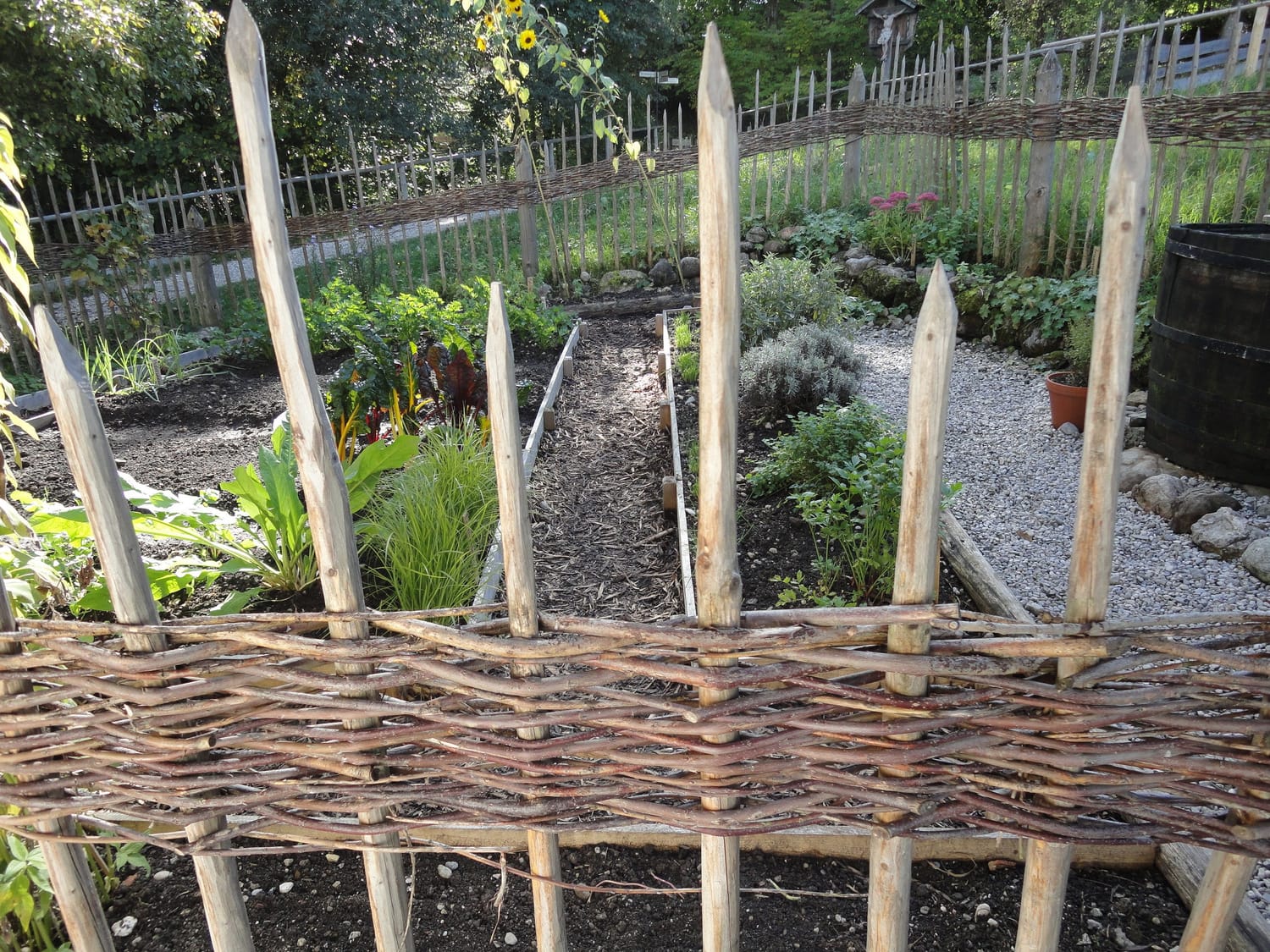
What You Actually Need to Get Started
The supply list is shorter than most gardening blogs make it sound:
Pots or garden bed space: at least 6 inches deep for most herbs; rosemary and sage want closer to 12.
Well-draining potting soil: not garden soil straight from the yard, which compacts and drowns roots in containers. A basic potting mix with some perlite or sand mixed in works fine.
Sunlight: most culinary herbs want 6+ hours a day. Basil and rosemary are especially sun-hungry; mint and chives will tolerate a bit less.
A watering can: nothing fancy.
Seeds or seedlings: seedlings (the small starter plants you buy at a nursery) get you a harvest weeks faster and are more forgiving for beginners. Seeds are cheaper and satisfying, but slower and a little riskier for a first try.
That's genuinely it. You don't need fertilizer on day one, and you don't need a greenhouse.
Planting Step by Step
If you're using seedlings, the process is almost embarrassingly simple:
Fill your pot with potting soil, leaving about an inch of space below the rim.
Dig a hole slightly bigger than the seedling's root ball.
Gently remove the seedling from its nursery pot, loosen the roots a little with your fingers if they're tightly wound, and set it in the hole.
Fill in soil around it and press down gently, no need to pack it hard.
Water thoroughly right after planting.
If you're starting from seed, the main difference is depth and patience. Most herb seeds want to be planted shallow, roughly two to three times as deep as the seed is wide, and some, like basil, barely need to be covered at all. Keep the soil consistently moist (not soggy) until you see sprouts, which usually takes one to three weeks depending on the herb.
Space plants far enough apart that they'll have room once they fill out. A basil plant, for example, can easily double or triple in size over a season.
What the First Few Weeks Look Like
This is where most beginners either build confidence or get discouraged, so it's worth setting expectations.
Water when the top inch of soil feels dry, not on a rigid schedule. This is the single biggest thing that trips people up. Overwatering, not underwatering, is what kills most beginner herb gardens. Soggy roots rot, and once that happens there's not much you can do.
Check your plants daily for the first two weeks, even if it's just a glance. You're looking for wilting (usually thirst, sometimes shock from transplanting), yellowing leaves (often overwatering, sometimes a nutrient issue if it persists past a month), and any early signs of pests like small holes in leaves or visible bugs on the undersides.
Don't expect much to harvest in the first three or four weeks. The plant is putting energy into roots before it puts energy into growth you can see. That quiet stretch is normal, not a sign you're doing something wrong.
Mistakes Worth Avoiding
A few things trip up nearly every first-time herb gardener:
Overwatering. Herbs, especially Mediterranean ones like rosemary, thyme, and oregano, actually prefer to dry out between waterings. Their natural habitat is rocky, dry hillsides, not swampy soil.
Wrong sunlight for the spot. A north-facing windowsill is not going to grow happy basil. If your light is limited, lean toward mint, chives, or parsley, which tolerate lower light better than sun-lovers like rosemary.
Planting mint with everything else. Worth repeating, because it's the mistake I see most often. Give it a pot of its own.
Harvesting too aggressively too early. Let the plant establish for a few weeks before you start cutting regularly. Once it's going, most herbs actually want to be harvested often, it encourages bushier growth, but a young plant needs time to build up energy first.
Where to Go From Here
Once your first few herbs are settled in, it gets a lot easier to expand. You'll start to notice which ones thrive in your specific conditions and which ones struggle, and that's genuinely useful information for deciding what to add next. Maybe your kitchen window turns out to be a rosemary sweet spot even though every gardening blog warned you it needed full outdoor sun. That kind of thing happens more often than you'd expect, and it's honestly part of the fun of doing this yourself instead of following someone else's setup exactly.
Pick one herb today. Basil if you want something fast and useful in the kitchen, mint if you want something nearly foolproof, or thyme if you tend to forget to water things. Get it in a pot this week rather than waiting for the "right" moment. A herb garden started imperfectly and actually planted will always beat a perfect plan that stays in your head.
Latest Posts
Practical guides to growing your own herbs and food, no matter how much space you have.
Newsletter
Subscribe now to get daily updates.
Created with ©systeme.io